Bled, Slovenia: Lake, Castle and Walks Around the Island
Bled is one of Slovenia’s most visited destinations and remains a highlight of travel itineraries across Central Europe in 2026. Located at the edge of Triglav National Park, the town combines alpine scenery, cultural heritage and accessible outdoor activities within a relatively compact area. Visitors are drawn by its glacial lake, the island church rising from the water and the medieval castle positioned high above the shoreline. While photographs often focus on a few famous viewpoints, spending time in Bled reveals a destination with a rich history, well-maintained walking routes and numerous opportunities to explore the surrounding landscape at a comfortable pace.
Lake Bled and Its Natural Setting
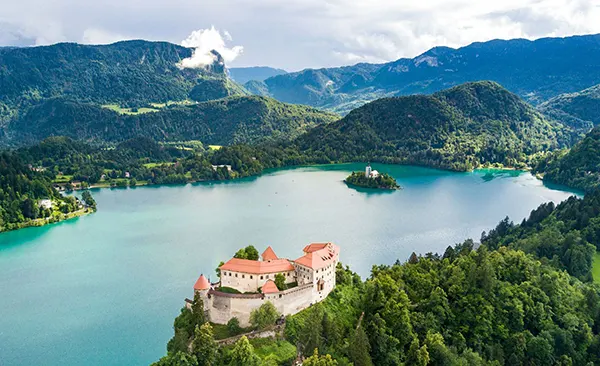
Lake Bled was formed by glaciers thousands of years ago and today covers approximately 1.45 square kilometres. The emerald-green water is surrounded by forests, mountains and landscaped promenades that create one of the most recognisable landscapes in Slovenia. The lake reaches depths of around 30 metres and is fed by natural springs, helping to maintain its distinctive appearance throughout the year.
One of the most appealing features of the lake is the 6-kilometre walking path that circles the shoreline. The route is mostly flat, making it suitable for visitors of different ages and fitness levels. Along the way, travellers encounter wooden piers, small beaches, cafés and numerous viewpoints offering different perspectives of the island and castle.
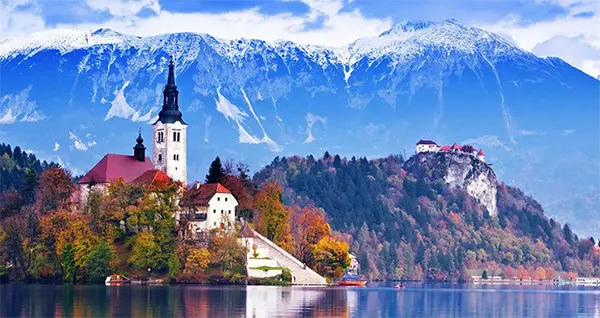
Seasonal changes significantly influence the atmosphere around the lake. Spring brings blooming vegetation and quieter paths, summer attracts swimmers and boat excursions, autumn covers the hillsides in vibrant colours, while winter occasionally transforms the landscape into a scene framed by snow-covered peaks and frosty shores.
The Famous Island in the Middle of the Lake
Bled Island is the only natural island in Slovenia and has been an important cultural and religious site for centuries. The island is best known for the Church of the Assumption, whose current appearance reflects architectural developments from several historical periods. The church tower remains one of the most recognisable landmarks in the country.
Visitors typically reach the island using traditional wooden boats known as pletnas. These vessels have been operating on the lake for generations and are rowed by boatmen whose skills are often passed down through families. The journey across the water provides excellent views of both the castle and the surrounding Julian Alps.
One of the island’s long-standing traditions involves ringing the church bell. According to local folklore, those who ring the bell and make a wish may see their hopes fulfilled. Although the story belongs to local legend rather than historical fact, it remains a popular experience for visitors arriving on the island.
Bled Castle and the History of the Region
Bled Castle stands on a steep cliff approximately 130 metres above the lake, making it one of the oldest castles in Slovenia. Historical records mention the site as early as 1011, when it was associated with the Bishops of Brixen. Over the centuries, the castle evolved from a defensive structure into an administrative and cultural centre.
Today, visitors can explore museum exhibitions dedicated to regional history, traditional crafts and archaeological discoveries. Displays provide insight into the development of Bled from a medieval settlement into one of Slovenia’s most important tourism destinations. Interactive exhibits help explain the area’s political and cultural significance.
The castle terrace offers panoramic views that many consider among the finest in the country. From this elevated position, visitors can observe the lake, island, surrounding forests and distant mountain ranges. Clear weather often allows views extending far beyond the immediate region.
What to See Inside the Castle Complex
The castle complex contains several courtyards, historic buildings and exhibition areas. One notable attraction is the reconstructed printing workshop, where visitors can learn about traditional printing techniques and observe demonstrations inspired by historical methods.
The castle chapel is another point of interest. Decorated with frescoes and architectural details reflecting different periods of renovation, it illustrates the religious influences that shaped the region over many centuries. The chapel remains one of the best-preserved sections of the fortress.
Visitors can also observe traditional wine bottling demonstrations in the castle cellar. This experience introduces aspects of Slovenian wine culture and provides insight into regional agricultural traditions. The combination of historical displays and cultural activities helps create a more complete understanding of the area’s heritage.
Walking Routes and Outdoor Activities Around Bled
Walking remains one of the most rewarding ways to experience Bled. Beyond the lakeside path, several routes lead to elevated viewpoints that provide spectacular perspectives of the lake and surrounding landscape. These trails are generally well marked and accessible throughout much of the year.
The viewpoint of Ojstrica is particularly popular among photographers. Although the ascent requires moderate effort, the reward is a sweeping panorama featuring the island, castle and mountain backdrop in a single frame. Nearby Mala Osojnica offers an even higher perspective for those willing to continue climbing.
For visitors seeking longer excursions, the surrounding area provides access to forests, alpine meadows and mountain trails connected to Triglav National Park. These routes allow travellers to combine a visit to Bled with broader exploration of Slovenia’s natural environment.
Practical Travel Tips for Visiting Bled in 2026
Bled can be visited throughout the year, although the period from May to October generally offers the most favourable weather for walking, boating and sightseeing. Travellers arriving during summer should expect larger visitor numbers, particularly around the lakefront and castle.
The town is easily accessible from Ljubljana, Slovenia’s capital, with regular bus connections and road links requiring approximately one hour of travel. Many visitors choose Bled as a day trip, though an overnight stay allows more time to enjoy early morning and evening views when the area is quieter.
Accommodation options range from family-run guesthouses to lakeside hotels. Booking in advance is advisable during peak travel periods. Visitors interested in combining cultural attractions, outdoor recreation and alpine scenery will find that Bled continues to justify its reputation as one of Slovenia’s most remarkable destinations in 2026.