Hallstatt, Austria: how to plan a visit to one of the most famous Alpine villages
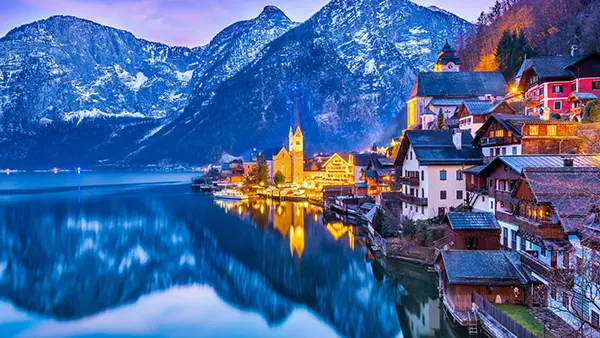
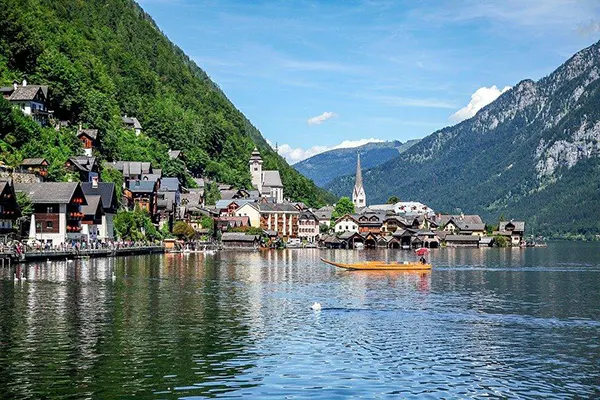
Hallstatt has long been associated with postcard views: a narrow lakeside strip of houses, steep mountain slopes and a calm water surface that reflects the entire settlement. Yet a successful trip here depends not on luck, but on careful planning. Visitor numbers have grown steadily in recent years, and by 2026 local authorities continue to manage access, parking and transport flow. Understanding when to arrive, how to move around and what to prioritise can make the difference between a rushed stop and a well-balanced Alpine experience.
When to visit Hallstatt and how seasonality affects your trip
The time of year shapes not only the scenery but also the pace of your visit. Spring and early autumn are generally the most comfortable periods, offering moderate temperatures and fewer crowds compared to peak summer. By contrast, July and August bring the highest number of day visitors, especially from Salzburg and Vienna, which can lead to congestion in the village centre and limited availability of parking spaces.
Winter presents a quieter atmosphere, particularly outside the Christmas period. Snow-covered rooftops and mountains create a distinct setting, but shorter daylight hours and reduced transport frequency should be considered. Some attractions may operate on limited schedules, so checking opening times in advance is essential.
In 2026, Hallstatt continues to regulate traffic through designated parking zones outside the village, with shuttle access to the centre. Arriving early in the morning or staying overnight remains the most practical way to avoid peak congestion and experience the village at a slower pace.
Best times of day to explore without crowds
Early morning is widely regarded as the most favourable time to walk through Hallstatt. Before the arrival of tour buses, the narrow streets are noticeably quieter, allowing uninterrupted views of the lake and traditional architecture. Photographers often take advantage of this period for clear, balanced lighting conditions.
Late afternoon and early evening also offer a calmer environment. As day visitors begin to leave, the atmosphere becomes more relaxed, and restaurants are less crowded. This time is particularly suitable for lakeside walks or short hikes above the village.
Midday remains the busiest period throughout most of the year. If visiting at this time cannot be avoided, focusing on less central areas or indoor attractions can help maintain a more comfortable pace.
Transport options and how to reach Hallstatt efficiently
Hallstatt is accessible by a combination of rail, ferry and road transport. The train route from Salzburg or Vienna typically involves a connection to Hallstatt station, located across the lake. From there, a short ferry crossing provides direct access to the village centre, offering one of the most scenic approaches available.
Driving remains an option, but it requires careful planning. Private vehicles are not allowed within the historic centre, and visitors must use designated car parks located outside the village. These areas can fill quickly during peak hours, particularly in summer.
Public transport is generally reliable and often more convenient than driving. In recent years, Austrian rail services have improved scheduling consistency, making train travel a practical choice for both day trips and longer stays.
Choosing between train, car and organised tours
Train travel combined with the ferry crossing is often considered the most balanced option. It avoids parking limitations and provides a structured arrival schedule. This method is especially suitable for travellers who prefer a predictable itinerary.
Driving offers flexibility but comes with limitations related to parking and access. It may be more suitable for those planning to explore surrounding regions rather than focusing solely on Hallstatt itself.
Organised tours provide convenience, particularly for first-time visitors. However, they usually follow fixed schedules, which can limit time spent in the village. Travellers seeking a more relaxed pace may prefer independent travel arrangements.
What to see and how to plan your time in the village
Despite its small size, Hallstatt offers several points of interest that can be covered within a day or extended into a longer stay. The central square, lakeside promenade and parish church form the core of most visits. These locations provide a clear sense of the village’s layout and historical character.
The Hallstatt Skywalk and the nearby salt mine represent two of the most visited attractions. The salt mine, considered one of the oldest in the world, offers guided tours that explain the region’s economic and cultural history. Booking in advance is recommended, particularly during high season.
Walking routes above the village allow for a broader perspective of the landscape. Short hikes can be completed within a few hours and provide quieter alternatives to the main streets. Planning time for these routes helps balance the overall visit.
Building a realistic one-day or overnight itinerary
For a one-day visit, prioritising key viewpoints and one major attraction is the most practical approach. Arriving early, visiting the Skywalk or salt mine, and allowing time for a lakeside walk creates a structured yet manageable schedule.
An overnight stay offers a more balanced experience. It allows access to quieter hours in the evening and early morning, when the village atmosphere changes significantly. Accommodation should be booked well in advance, as availability remains limited.
Combining Hallstatt with nearby destinations such as Bad Ischl or the Dachstein region can extend the trip without adding unnecessary travel time. This approach is particularly useful for travellers interested in a broader Alpine itinerary.