Shkodër, Albania: Lake Views, Rozafa Castle and the Gateway to the Albanian Alps
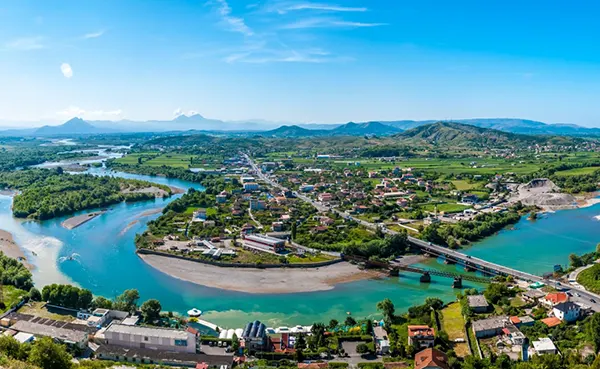
Shkodër is one of Albania’s oldest and most historically important cities, located near the border with Montenegro in the northern part of the country. Positioned between Lake Shkodër, the Buna River and the Albanian Alps, the city combines cultural heritage, dramatic landscapes and access to some of the most popular mountain routes in the Balkans. In 2026, Shkodër remains a key destination for travellers looking for authentic northern Albanian traditions, historical architecture and outdoor tourism beyond the crowded Adriatic coastline.
Lake Shkodër and the Natural Landscape Around the City
Lake Shkodër is the largest lake in Southern Europe and is shared between Albania and Montenegro. The Albanian side of the lake is quieter and less commercial, which makes it attractive for visitors interested in nature, cycling and traditional lakeside villages. The area contains important wetland ecosystems that support hundreds of bird species throughout the year.
The lakeside districts near Shkodër, particularly Shirokë and Zogaj, have developed steadily in recent years while preserving their local character. Restaurants overlooking the water specialise in freshwater fish dishes, while cycling paths and walking routes now make the shoreline more accessible for visitors. Even during the summer season, the atmosphere remains calmer than many other tourism regions in Albania.
Lake tourism in 2026 includes kayaking, boat excursions, birdwatching tours and photography trips focused on the wetlands surrounding the lake. Early mornings are especially popular because the light conditions create reflections across the water and mountains. Many travellers also visit the lake during spring and autumn when temperatures are milder and wildlife activity becomes more visible.
Traditional Villages, Cuisine and Outdoor Activities
Fishing traditions remain an important part of daily life around Lake Shkodër. Carp, eel and bleak fish are among the most common dishes served in local restaurants, usually accompanied by seasonal vegetables, olives and homemade cheese. Family-owned restaurants continue to dominate the lakeside dining scene, preserving regional cooking traditions rather than focusing on mass tourism menus.
Shirokë has become one of the most visited lakeside villages because of its waterfront promenade and mountain views. Zogaj offers a quieter environment with smaller guesthouses and direct access to natural areas near the Montenegro border. Travellers often combine both villages with cycling routes from central Shkodër, since the terrain around the lake is relatively flat.
Outdoor tourism has expanded considerably by 2026. Guided cycling tours, kayaking routes and eco-focused excursions are now widely available throughout the warmer months. Birdwatching has become increasingly popular due to the lake’s ecological importance, especially during migration seasons when pelicans, herons and cormorants gather in protected wetland areas.
Rozafa Castle and the Historical Heritage of Shkodër
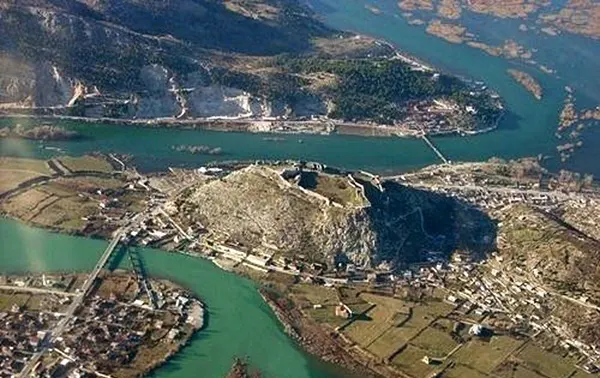
Rozafa Castle stands on a rocky hill overlooking the confluence of the Buna and Drin rivers. The fortress dates back to the Illyrian era and later became an important defensive structure under Roman, Venetian and Ottoman control. Its elevated position allowed strategic control over northern Albania for centuries, making it one of the most significant fortifications in the region.
The castle is connected with the famous Albanian legend of Rozafa. According to local folklore, the fortress walls repeatedly collapsed during construction until a woman named Rozafa was sacrificed within the structure. The story remains one of the best-known legends in Albanian culture and continues to symbolise sacrifice, loyalty and endurance.
Recent restoration projects have improved visitor access throughout the fortress complex. In 2026, travellers can walk along restored pathways, explore archaeological remains and view informational displays explaining the site’s historical development. From the upper sections of the castle, visitors can see Lake Shkodër, the surrounding plains and the distant mountain ranges of northern Albania.
Museums, Religion and Cultural Identity
Shkodër has traditionally been regarded as one of Albania’s cultural capitals. The city contains Catholic churches, mosques and Orthodox religious buildings located within close distance of each other, reflecting centuries of coexistence between different religious communities. This multicultural atmosphere continues to shape the city’s identity today.
The Marubi National Museum of Photography is one of Albania’s most important museums. Its archive includes thousands of photographs documenting Albanian society from the nineteenth century onwards. The collection provides insight into traditional clothing, historical events and everyday life during different political and social periods in the Balkans.
Cultural life remains active in Shkodër throughout the year. During summer, the city hosts music festivals, art exhibitions and outdoor performances that attract visitors from across Albania and neighbouring countries. Cafés and pedestrian areas in the centre create a more relaxed atmosphere compared with Albania’s larger urban destinations.
Shkodër as the Gateway to the Albanian Alps
Shkodër serves as the main starting point for travellers heading into the Albanian Alps. Most journeys to Theth, Valbona and Komani Lake begin in the city, making it an important hub for mountain tourism in northern Albania. Interest in the region has increased significantly during the past decade because of international hiking routes and improved transport infrastructure.
The road connection between Shkodër and Theth has improved considerably in recent years, making access easier during the main travel season. Minibuses and private transfers operate regularly between the city and mountain villages from spring until autumn. Many travellers spend several days in Shkodër before beginning hiking routes through the alpine region.
The Peaks of the Balkans trail continues to attract international hikers in 2026. This long-distance route crosses Albania, Montenegro and Kosovo through remote mountain landscapes and traditional villages. Shkodër remains one of the primary logistical centres for organising accommodation, mountain transport and hiking guides connected with the trail.
Transport, Accommodation and Seasonal Travel Tips
Shkodër is well connected with Tirana through regular bus and minibus services. The journey usually takes around two hours depending on traffic conditions. Car rental has also become increasingly common among travellers planning independent road trips through northern Albania and neighbouring Balkan countries.
Accommodation options in the city have expanded significantly. Visitors can choose between boutique hotels, family-run guesthouses, modern apartments and budget hostels. Many local accommodations now provide assistance with organising mountain transfers, hiking tours and ferry tickets for Komani Lake.
Spring and early autumn are often considered the best seasons to visit Shkodër because temperatures remain comfortable for sightseeing, cycling and hiking. Summer is more suitable for lake tourism and mountain trekking, while winter attracts travellers looking for quieter streets and atmospheric views of the surrounding mountains.