Quebec City: A European Atmosphere in North America Beyond Typical Tourist Routes
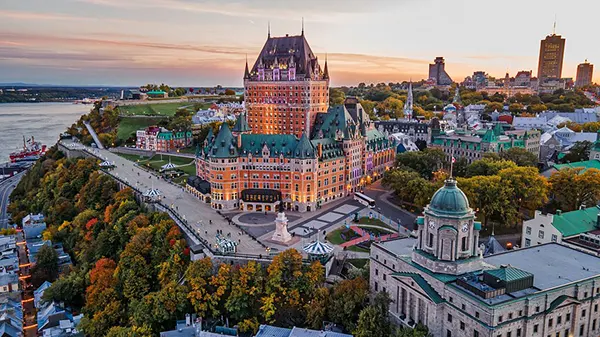
Quebec City remains one of the few places in North America where centuries-old stone buildings, narrow cobbled streets and French-speaking neighbourhoods shape everyday life rather than serving as decorative attractions for tourists. While many visitors focus only on Old Quebec and the well-known landmarks around Château Frontenac, the city offers a far broader experience for travellers interested in local culture, independent cafés, neighbourhood markets and lesser-known historical districts. In 2026, Quebec City continues to attract visitors looking for a slower and more authentic urban atmosphere that differs sharply from the modern skylines associated with larger Canadian cities.
Historic Districts That Reveal the Real Character of Quebec City
The heart of Quebec City is divided into Upper Town and Lower Town, both connected by steep streets, stairways and the funicular railway that has operated for decades. Although many travellers spend most of their time near Place Royale or Terrasse Dufferin, quieter sections such as Rue Saint-Paul and Rue Sous-le-Fort often provide a more realistic impression of daily life in the historic centre. Independent bakeries, family-run restaurants and small artisan shops continue to dominate these streets rather than large international chains.
The Petit Champlain district receives considerable attention because of its preserved seventeenth-century architecture, yet nearby areas such as Saint-Jean-Baptiste and Montcalm often remain overlooked despite their cultural significance. Saint-Jean-Baptiste, located just outside the fortified walls, combines traditional Quebecois architecture with modern local businesses, bookshops and music venues. Montcalm, meanwhile, has developed into one of the city’s most active cultural quarters, particularly around Avenue Cartier.
Another distinctive feature of Quebec City is the preservation of its defensive walls. Unlike many North American cities where historic fortifications disappeared during urban expansion, Quebec City retained its military structures, making it the only fortified city north of Mexico with surviving walls. Walking along the ramparts provides a detailed understanding of how the city developed under both French and British rule, while also offering quieter viewpoints away from the busiest tourist locations.
Neighbourhoods Beyond the Standard Travel Guides
Limoilou has become increasingly popular among travellers seeking a less commercial side of Quebec City. Formerly considered an industrial district, the area has transformed over the past decade into a residential neighbourhood filled with local cafés, microbreweries and independent food markets. The atmosphere here differs substantially from the formal historic centre, giving visitors a chance to observe everyday urban life in modern Quebec.
Saint-Roch is another district that reflects the changing identity of the city. Historically associated with working-class industries, the neighbourhood now hosts technology companies, art spaces and contemporary restaurants. Despite modern development, Saint-Roch has preserved many older brick buildings and traditional commercial streets. Rue Saint-Joseph remains one of the most active pedestrian areas for local residents, especially during weekends and seasonal events.
Travellers interested in quieter environments often head towards Île d’Orléans, located a short drive from the city centre. Although technically outside Quebec City, the island forms part of the broader regional experience. Small villages, family-owned cider producers and agricultural farms continue to define the island’s economy. In autumn, the island becomes particularly popular because of seasonal produce markets and cycling routes that follow the Saint Lawrence River.
Food Culture and Everyday Life in Quebec City
Food traditions in Quebec City combine French culinary influence with regional Canadian ingredients. Unlike heavily commercialised dining areas in some tourist destinations, many restaurants in Quebec City continue to focus on seasonal menus and locally sourced products. Traditional dishes such as tourtière, pea soup and maple-based desserts remain common not only in historic restaurants but also in smaller neighbourhood establishments.
The city’s public markets play an important role in local food culture. Marché du Vieux-Port remains one of the most recognised examples, bringing together cheese producers, bakers, fishmongers and regional farmers throughout the year. Visitors who arrive early in the morning often encounter local residents shopping for daily ingredients rather than crowds focused solely on sightseeing. Seasonal products from surrounding rural areas continue to shape much of the market’s identity.
Quebec City has also seen substantial growth in specialty coffee shops and independent bakeries over the past several years. Districts such as Saint-Roch and Limoilou now contain cafés that roast their own coffee and emphasise small-scale production. This shift reflects broader changes in the city’s younger population, many of whom support local businesses instead of international franchises. The result is a more varied and regionally distinctive dining scene than many visitors expect.
Seasonal Experiences That Change the City Atmosphere
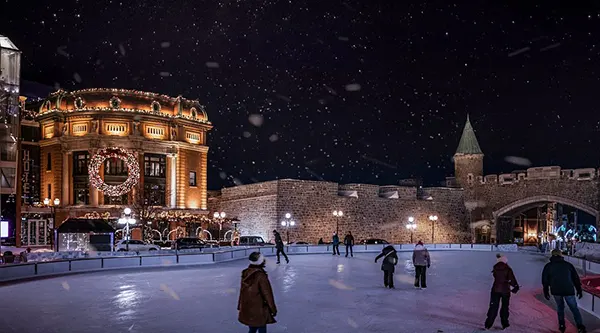
Winter transforms Quebec City into one of Canada’s most visually distinctive urban destinations. Heavy snowfall, illuminated stone streets and traditional winter architecture create an atmosphere often compared with smaller European cities. The Quebec Winter Carnival continues to attract international attention in 2026, although quieter residential areas frequently provide a more authentic seasonal experience than the busiest festival zones.
Spring and summer reveal a different side of the city. Public terraces reopen, musicians perform in neighbourhood parks and outdoor markets become increasingly active. Cycling paths along the Saint Lawrence River and nearby green spaces attract both residents and visitors seeking alternatives to crowded tourist centres. Parc de la Chute-Montmorency, located outside the city centre, becomes especially popular because of its large waterfall and walking routes.
Autumn remains one of the most balanced seasons for visiting Quebec City. Cooler temperatures and changing foliage create ideal conditions for walking through both the historic districts and surrounding countryside. During September and October, many regional producers organise harvest events featuring cider, cheese and maple products. This period also tends to attract fewer international tourists compared with peak summer months.
Practical Travel Advice for Visiting Quebec City in 2026
Quebec City remains relatively compact compared with larger Canadian urban centres, making it practical for travellers who prefer walking. Most major historic districts can be explored without relying heavily on public transport, although the city’s steep hills may require additional planning for some visitors. Public buses continue to connect the centre with outer districts and neighbouring areas, including Beauport and Sainte-Foy.
French remains the dominant language across Quebec City, though English is widely understood in hotels, restaurants and tourist-related businesses. Travellers who attempt basic French greetings often receive a noticeably warmer response from local residents, particularly in neighbourhood businesses outside the central tourist districts. Cultural identity continues to play a significant role in daily life throughout Quebec.
Accommodation options in 2026 range from restored boutique hotels within the old city walls to modern apartment rentals in residential neighbourhoods. Travellers looking for quieter surroundings often choose accommodation in Saint-Jean-Baptiste, Montcalm or Limoilou rather than directly inside the busiest historic sections. These districts generally provide easier access to local cafés, grocery stores and public transport while still remaining close to major attractions.
How to Avoid Overcrowded Tourist Routes
Many first-time visitors follow identical walking routes concentrated around Château Frontenac, Place Royale and Petit Champlain. Although these landmarks remain historically important, spending additional time in surrounding districts creates a more balanced understanding of the city. Early morning walks through quieter residential streets often reveal details of local architecture and daily routines that disappear during busy afternoon hours.
Travellers interested in cultural experiences can benefit from visiting smaller museums and galleries rather than focusing exclusively on the largest institutions. The Musée national des beaux-arts du Québec, located in the Montcalm district, provides a strong overview of Quebecois art and contemporary exhibitions while attracting smaller crowds than many central attractions. Independent galleries in Saint-Roch also contribute to the city’s growing creative sector.
Another effective way to avoid heavily crowded areas is to explore Quebec City during weekdays outside major holiday periods. Late spring and early autumn generally provide more comfortable conditions for walking, easier restaurant reservations and a calmer atmosphere throughout the historic centre. This slower pace allows travellers to experience the city more naturally rather than moving between overcrowded landmarks.