Urban Tourism in Europe in 2026: How Cities Adapt to New Travel Behaviour
Urban tourism has changed significantly over the past decade, and by 2026 European cities are responding to a new type of traveller. Visitors are less interested in rushed sightseeing schedules and more focused on authentic local experiences, sustainability, and flexible travel planning. Major destinations such as Barcelona, Prague, Amsterdam, and Copenhagen have introduced policies and infrastructure designed to balance tourism with the daily life of residents. As a result, modern city tourism now combines cultural exploration, responsible travel practices, and technological convenience.
How Travel Behaviour Has Changed Since the Early 2020s
The pandemic years reshaped how people organise their trips. Instead of short weekend visits packed with attractions, many travellers now prefer longer stays with fewer destinations. This trend, often referred to as slow travel, allows visitors to understand the character of a city rather than simply photographing landmarks. European tourism boards increasingly encourage this approach because it spreads visitor spending across neighbourhoods rather than concentrating it in historical centres.
Another noticeable shift is the growing interest in local culture and everyday life. Travellers in 2026 frequently choose neighbourhood markets, independent cafés, or small galleries instead of traditional tour routes. Cities such as Lisbon and Budapest now promote district-level guides that introduce visitors to less crowded areas. This approach helps reduce overtourism while giving travellers a more realistic understanding of the destination.
Digital planning tools also play a major role in travel behaviour. Modern tourists rely on mobile booking systems for transport, museum tickets, and guided tours. Many European municipalities have integrated city cards and public transport into mobile apps, allowing visitors to manage tickets, routes, and cultural events from a single interface.
The Role of Remote Work in Modern Tourism
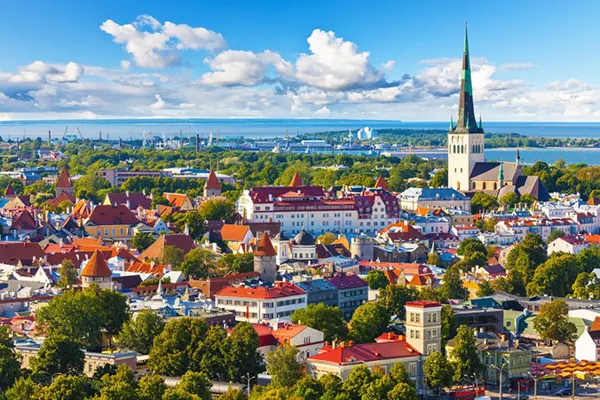
One of the most influential changes in travel patterns comes from the growth of remote work. By 2026 many professionals combine work with travel, staying in cities for several weeks instead of a few days. Destinations such as Tallinn, Valencia, and Zagreb actively promote themselves as remote-work friendly locations by offering reliable digital infrastructure and flexible accommodation options.
This trend has encouraged the development of mixed-use accommodation. Apart-hotels and long-stay apartments now include coworking areas, meeting rooms, and stable high-speed internet. These facilities allow travellers to maintain professional responsibilities while experiencing life in a new city.
Local economies benefit from this shift because long-term visitors typically spend more money on everyday services such as groceries, public transport, and neighbourhood restaurants. As a result, tourism income becomes more evenly distributed across the urban environment rather than focused solely on the hospitality sector.
Infrastructure and Policies Shaping Tourism in 2026
European cities have implemented various strategies to manage visitor numbers responsibly. One common measure involves regulating short-term rentals to protect housing availability for residents. Cities including Amsterdam and Paris limit the number of days per year that properties may be rented to tourists, ensuring that residential districts remain livable.
Transport infrastructure has also evolved. Rail travel has become increasingly attractive thanks to expanded high-speed networks connecting cities across France, Germany, Spain, and Italy. Many travellers now choose trains instead of short-haul flights because they offer city-centre arrival points and lower environmental impact.
Urban mobility within cities has improved through integrated transport systems. Visitors can move easily between trams, buses, bicycles, and metro services using digital tickets. Copenhagen and Vienna are frequently cited examples of cities where public transport and cycling networks provide convenient alternatives to taxis or rental cars.
Managing Overtourism in Popular Destinations
Overtourism remains a serious issue in historically popular destinations. Cities such as Venice and Dubrovnik have introduced visitor management systems that limit large cruise ship arrivals and regulate access to specific historical zones during peak periods.
Timed entry systems are increasingly common for major landmarks. Museums like the Louvre and the Vatican Museums require visitors to reserve entry slots in advance. This method helps control crowd density and improves the overall visitor experience.
In addition, many tourism boards promote alternative attractions beyond famous landmarks. By highlighting cultural routes, local museums, and regional festivals, cities encourage travellers to explore wider areas rather than concentrating in a few well-known locations.
Sustainable Tourism as a Priority for European Cities
Sustainability has become one of the central priorities in tourism planning. European cities are investing in greener transport systems, including electric buses and expanded cycling infrastructure. These initiatives reduce emissions while making urban exploration more convenient for visitors.
Hotels and accommodation providers are also adapting to environmental expectations. Many establishments now follow recognised sustainability certifications that monitor energy use, water consumption, and waste management. Travellers increasingly consider these factors when choosing where to stay.
Local authorities encourage responsible tourism through educational campaigns. Visitors are reminded to respect residential areas, support local businesses, and follow environmental guidelines when visiting parks or coastal areas near cities.
Community Involvement in Tourism Development
Community participation has become an important element of tourism policy. Many municipalities organise consultations with residents when planning major tourism initiatives. This ensures that development strategies consider the needs of both locals and visitors.
Cultural events organised by neighbourhood communities have also gained popularity. Street festivals, local food markets, and small music events attract travellers who want authentic cultural experiences while supporting local artists and entrepreneurs.
By 2026 the most successful urban tourism strategies are those that balance economic benefits with quality of life for residents. Cities that integrate sustainable infrastructure, responsible visitor management, and strong community engagement tend to maintain stable tourism growth without creating social tension.