Petra, Jordan: How to Prepare for a Journey to the Lost City in the Rocks
Petra is one of those destinations that requires more than a simple booking and a camera. Located in southern Jordan, this ancient Nabataean city carved into sandstone cliffs demands preparation, both practical and physical. Travellers in 2026 benefit from improved infrastructure and digital access to permits, yet the conditions remain demanding: desert climate, long walking routes, and limited shade. Planning ahead makes the difference between a rushed visit and a well-paced, informed experience.
Understanding Petra: Geography, Access and Entry Rules
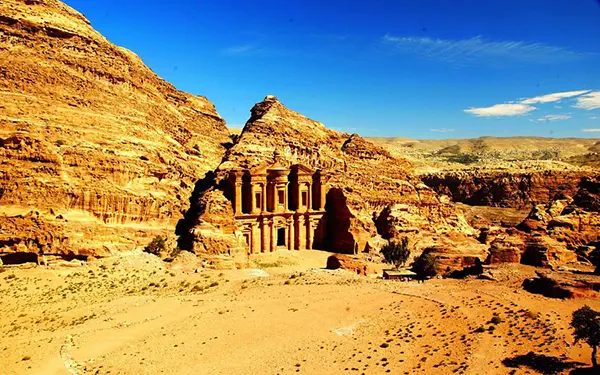
Petra lies near the town of Wadi Musa, about three hours by road from Amman and two hours from Aqaba. The site sits within a vast archaeological park, and distances inside are often underestimated. From the main entrance through the Siq to the Treasury alone is over 1.2 km, and key landmarks such as the Monastery require steep climbs of more than 800 steps.
As of 2026, most international visitors enter Petra using the Jordan Pass, which combines visa fee exemption with site access. This pass must be purchased online before arrival and activated upon entry to the country. Without it, ticket prices are significantly higher, especially for one-day visits.
Opening hours vary seasonally, generally from early morning (around 6:00–6:30) until sunset. Arriving early is strongly advised, not only to avoid crowds but also to walk in cooler temperatures. Digital tickets and QR scanning at the gate have streamlined entry, but passport identification is still required.
Best Time to Visit and Weather Considerations
The climate in Petra is arid, with extreme temperature differences between seasons. Spring (March to May) and autumn (September to November) remain the most comfortable periods, with daytime temperatures between 18°C and 28°C. Summer often exceeds 35°C, making long hikes physically demanding.
Winter, while cooler, introduces a different challenge: occasional heavy rain can lead to flash floods in narrow canyons such as the Siq. Although rare, these events are taken seriously, and authorities may temporarily close parts of the site for safety.
In 2026, weather forecasting tools integrated into travel apps provide more accurate local alerts. It is advisable to monitor conditions daily and adjust plans accordingly, especially if aiming to explore more remote sections of the park.
Physical Preparation and Route Planning
Petra is not a site that can be comfortably explored without preparation. Even a standard visit involves 8–12 kilometres of walking over uneven terrain. Those planning to see the Monastery, High Place of Sacrifice, and surrounding trails should expect a full day of sustained physical activity.
Footwear is one of the most important considerations. Lightweight hiking shoes with good grip are preferable to trainers, especially on sandy or rocky paths. Walking sticks can be useful for steep ascents, particularly for visitors not used to prolonged hikes.
Hydration is critical. While there are small stalls within Petra selling water and refreshments, prices are higher and availability varies. Carrying at least 2 litres of water per person is a practical baseline, especially outside cooler months.
How to Structure Your Visit Inside Petra
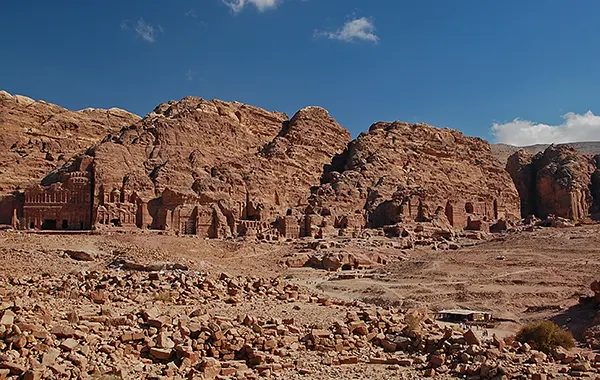
A structured route helps avoid fatigue and unnecessary backtracking. A typical first day begins with the Siq, followed by the Treasury, Street of Facades, and the Royal Tombs. This section alone can take 3–4 hours at a moderate pace with stops.
For those continuing further, the climb to the Monastery is often scheduled in the late morning or early afternoon. Despite the effort required, it offers one of the most expansive views in the region and tends to be less crowded than the Treasury.
Visitors staying more than one day can explore alternative trails such as the back route to the Monastery or the High Place of Sacrifice. These routes provide a broader understanding of Petra’s scale and historical layout, going beyond the main tourist corridor.
Practical Tips: Safety, Culture and Logistics
Petra is generally safe, but awareness of local conditions is essential. Sun exposure is the primary risk, making hats, sunscreen, and light clothing necessary. Mobile coverage is available in parts of the site, but not consistently, so offline maps remain useful.
Respect for local culture is also important. Jordan is a welcoming country, but modest dress is recommended, particularly in rural areas. Inside Petra, interactions with Bedouin communities are common, as many operate small shops or offer transport services such as donkeys and camels.
Cash is still widely used within the site, although digital payments are gradually becoming more common in Wadi Musa. Carrying small denominations of Jordanian dinar simplifies purchases and tips.
Accommodation and Transport Options
Most travellers stay in Wadi Musa, where accommodation ranges from budget guesthouses to mid-range hotels and a limited number of higher-end options. Booking in advance is recommended during peak seasons, particularly in spring and autumn.
Transport to Petra has improved by 2026, with regular buses from Amman and Aqaba, as well as private transfers. Car rental remains a flexible option, especially for those planning to combine Petra with Wadi Rum or the Dead Sea.
For early access to the site, choosing accommodation within walking distance of the visitor centre can be advantageous. It allows entry at opening time without relying on taxis, which may be limited during early hours.